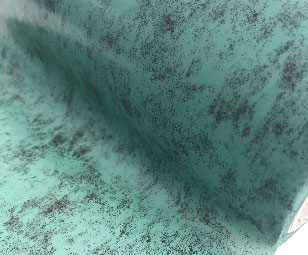
Texcover
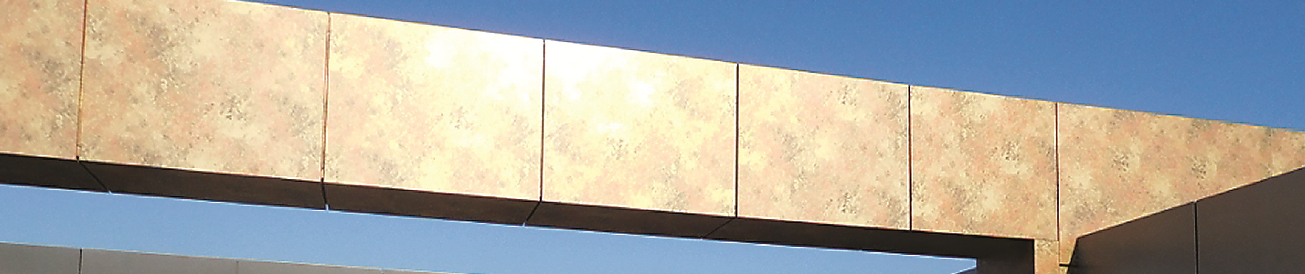
Enhance your surfaces.
Texcover is a PET film designed to decorate coil surfaces, steel, aluminum, and PVC.
Created to revolutionize the market for pre-coated surfaces, it represents a valid alternative to traditional liquid paints with the advantage of durability over time and offering multiple graphic solutions. Thanks to its performance, it is the only PET film for lamination tested and guaranteed for outdoorapplications,such as facades, and is also perfect for indoor uses, such as appliances.
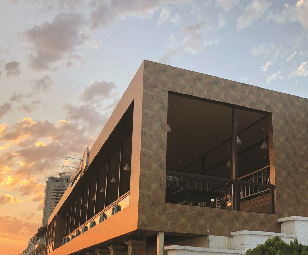
The available effects are extremely realistic: ranging from metallic ones, such as brushed steel, titanium, copper, silver, to more natural ones, such as marble, granite, stone, and wood.
Uses of Texcover
What will be your new project?
- Appliances,such as refrigerators, dishwashers, microwaves, and washing machines. It perfectly imitates stainless steel, resists fingerprints, and can be available in various designs and colors.
- Facades with composite panels.. It demonstrates high UV stability and is easy to clean compared to natural surfaces.
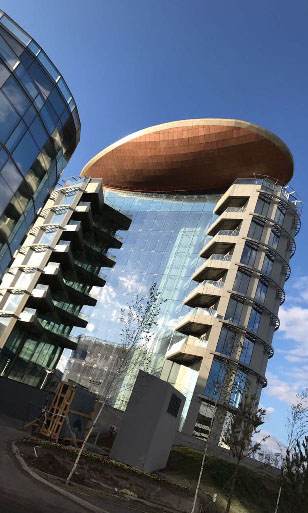
- Roof coverings with tile, copper effects… It offers resistance and incredible aesthetic results.
- Design applications on partition doors or garage doors. The material is flexible and ensures the best aesthetics.
Furniture, such as interior walls and ceilings. The wood effect will make the environments warm and welcoming.
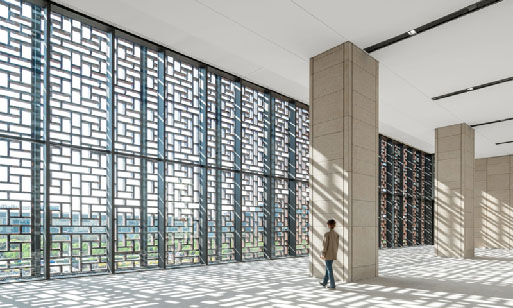
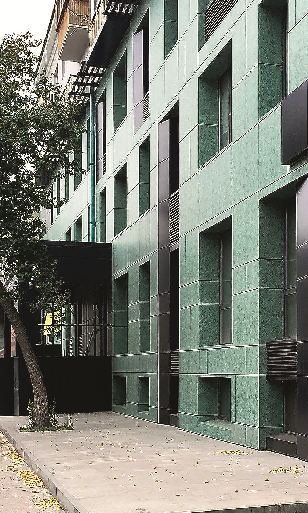
Why choose Texcover?
Proven quality.
Compared to other materials such as polyester painting, polyurethane, PVDF, and PVC lamination, Texcover proves advantageous for ease of application, hardness, flexibility, scratch and stain resistance, chemical resistance, external durability, and aesthetic value.
In our laboratories, we constantly conduct quality controls through comparative application tests and evaluation of color rendering and surface enhancement.
For Texcover destined for outdoor use, for example, we simulate the material’s behavior after 5 years of exposure in Florida by subjecting it to accelerated aging for 3000 hours in a solar box.
Process
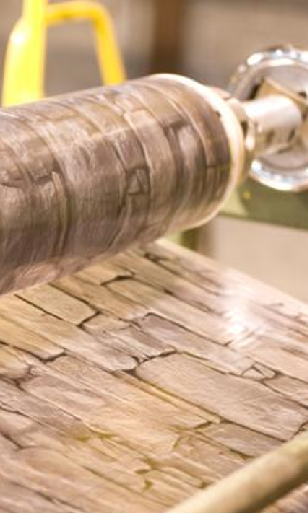
Texcover is applied using a specialized laminator on a coil line at a temperature of approximately 170°C -175°C, after priming/polyurethane glue painting.